


Dr. Ranjit Jagtap News: How Preventive Cardiology Is Changing Heart Care
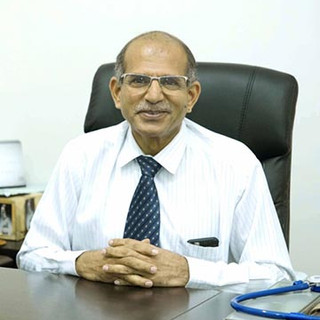
Heart care is changing. Instead of waiting until a person develops serious symptoms, modern cardiology is placing greater emphasis on identifying risks early and helping people reduce their chances of developing cardiovascular problems. This growing focus on preventive cardiology is one reason people searching for Dr Ranjit Jagtap news are increasingly interested in topics such as early screening, healthier lifestyles, and long-term heart care.
Preventive cardiology does not mean that every heart condition can be avoided. Age, family history, genetics, and existing medical conditions can all influence cardiovascular risk. However, many important risk factors can be managed, giving people a better opportunity to protect their heart health over time.
What Is Preventive Cardiology?
Preventive cardiology focuses on reducing the risk of heart disease before serious complications develop.
It looks at factors such as blood pressure, cholesterol, diabetes, smoking, body weight, physical activity, diet, family history, and existing cardiovascular conditions. Doctors use this information to understand a person's overall risk and recommend appropriate lifestyle changes, medical treatment, or further evaluation when necessary.
The goal is not simply to treat disease. It is to identify potential problems earlier and help patients make informed choices about their health.
Why Preventive Heart Care Is Becoming More Important
Many cardiovascular problems develop slowly.
A person can have high blood pressure or raised cholesterol for years without noticing any symptoms. Diabetes and excess weight may also increase cardiovascular risk over time.
This is why relying only on symptoms can be misleading.
Preventive heart care encourages people to understand their own risk profile rather than waiting for a medical emergency. Regular health assessments can help identify concerns at an earlier stage, particularly in people with several risk factors.
For readers following Dr Ranjit Jagtap news, this shift toward prevention reflects a wider change in cardiac healthcare: doctors increasingly want patients to think about heart health before treatment becomes necessary.
Which Heart Disease Risk Factors Can Be Managed?
Some cardiovascular risk factors cannot be changed, including age and family history. Others can often be improved.
Blood Pressure and Cholesterol
High blood pressure places additional strain on blood vessels and the heart. Raised levels of certain types of cholesterol can contribute to plaque buildup in arteries.
Both can exist without obvious symptoms, which makes routine health checks important.
Diabetes
Over time, poorly controlled blood glucose can damage blood vessels and increase the likelihood of cardiovascular complications.
People living with diabetes may therefore need closer attention to blood pressure, cholesterol, weight, and other heart-related risk factors.
Smoking and Physical Inactivity
Smoking is strongly associated with cardiovascular disease, while prolonged physical inactivity can contribute to poor overall health, excess weight, and other risk factors.
Regular physical activity, when medically appropriate, can help support heart health and overall fitness.
How Early Detection Supports Better Heart Health
Early detection does not necessarily mean undergoing advanced medical tests.
For many people, cardiovascular assessment begins with simple measures such as:
blood pressure,
cholesterol levels,
blood sugar,
body weight,
symptoms,
family history,
lifestyle habits.
A doctor may recommend further investigations depending on a person's risk, symptoms, and medical history.
Tests such as an ECG or echocardiogram can be useful in particular situations, but they are not automatically required for everyone.
This distinction is important because good preventive care is based on choosing the right test for the right patient rather than performing every possible investigation.
The Role of Lifestyle in Preventive Cardiology
Technology has transformed modern medicine, but everyday habits still play a major role in cardiovascular health.
A heart-friendly lifestyle generally includes regular physical activity, balanced nutrition, adequate sleep, tobacco avoidance, stress management, and maintaining a healthy body weight.
Small changes can sometimes be easier to maintain than extreme routines.
For example, replacing long periods of sitting with regular movement, reducing highly processed foods, improving sleep habits, or taking prescribed medicines consistently can all support long-term health.
Patients should remember that lifestyle advice should complement, not replace, treatment recommended by a qualified healthcare professional.
How Technology Is Supporting Preventive Heart Care
Technology is making it easier to collect and monitor health information.
Wearable devices can track indicators such as heart rate, activity levels, and sometimes rhythm abnormalities. Digital blood pressure monitors can help some patients keep records at home, while remote healthcare tools allow clinicians to follow certain patients more closely.
Artificial intelligence is also being explored in areas such as ECG interpretation, medical imaging, and risk prediction.
These technologies can support doctors, but they should not be treated as substitutes for professional medical judgment.
For people interested in Dr Ranjit Jagtap Pune and broader developments in cardiac care, the most important trend is the combination of technology with individualized medical assessment.
When Should You Speak to a Heart Specialist?
People should seek medical advice if they experience symptoms that may be related to cardiovascular disease, particularly when those symptoms are new, persistent, or occur during physical activity.
Possible warning signs can include:
chest pain or pressure,
unexplained breathlessness,
fainting,
persistent palpitations,
unusual fatigue,
dizziness,
reduced exercise tolerance.
Severe or sudden chest discomfort, especially when accompanied by sweating, breathlessness, nausea, or pain spreading to the arm, jaw, shoulder, or back, may require emergency medical attention.
People with diabetes, high blood pressure, high cholesterol, a strong family history of early heart disease, or previous cardiovascular problems may also benefit from discussing their risk with a healthcare professional even when they have no symptoms.
What Preventive Cardiology Means for Patients in Pune
Awareness of heart health is becoming increasingly relevant in growing urban communities such as Pune, where busy schedules, sedentary work, stress, irregular sleep, and changing dietary habits can influence overall health.
People searching for Dr Ranjit Jagtap Pune may also encounter discussions about cardiac treatment and surgery. It is useful to remember that preventive cardiology and cardiac surgery serve different purposes.
Preventive cardiology focuses on reducing risk and identifying disease early. Cardiac surgery is required only when a patient's condition calls for a surgical approach.
Understanding these differences helps patients ask better questions and choose the right type of specialist for their needs.
Prevention Is Not Only for Older Adults
One commonly overlooked point is that heart health should not begin at retirement age.
Young and middle-aged adults can also develop high blood pressure, diabetes, abnormal cholesterol levels, obesity, or other cardiovascular risk factors.
A person may feel healthy while these problems gradually develop.
This is why knowing basic health numbers and understanding family history can be useful even for adults without symptoms.
The aim is not to create unnecessary worry. It is simply to identify genuine risks early enough to manage them.
Frequently Asked Questions
What is preventive cardiology?
Preventive cardiology focuses on identifying and reducing cardiovascular risk before serious heart problems develop. It may involve lifestyle changes, risk assessment, treatment of conditions such as hypertension or high cholesterol, and appropriate medical follow-up.
Can heart disease be prevented?
Not every heart condition can be prevented, but many cardiovascular risks can be reduced. Controlling blood pressure, cholesterol, blood sugar, tobacco exposure, physical inactivity, and excess weight may help lower overall risk.
Who should consider a heart health check-up?
People with cardiovascular symptoms or risk factors such as diabetes, hypertension, high cholesterol, smoking history, obesity, or a family history of early heart disease should discuss appropriate screening with a healthcare professional.
Can young people develop heart disease?
Yes. Cardiovascular disease is more common with increasing age, but risk factors can begin much earlier. Younger adults should not ignore persistent symptoms or significant risk factors.
Does family history matter?
Yes. A family history of premature cardiovascular disease can increase a person's risk and may influence how doctors assess prevention and screening needs.
Are wearable devices useful for heart health?
Wearables can provide helpful information about activity levels, heart rate, and in some cases rhythm changes. However, they are not a replacement for medical diagnosis and can sometimes produce inaccurate or misleading readings.
When should I see a heart specialist in Pune?
Consider medical evaluation if you have persistent cardiac symptoms, multiple cardiovascular risk factors, or concerns raised during routine health checks. Urgent symptoms such as severe chest discomfort or sudden breathing difficulty should be treated as an emergency rather than waiting for a routine appointment.
Final Thoughts
Preventive cardiology represents an important shift in heart care—from reacting to disease toward identifying risk earlier and helping people manage it more effectively.
For those following Dr Ranjit Jagtap news, the broader message is that modern cardiac care is increasingly built around prevention, patient education, appropriate screening, and personalized decision-making.
Whether someone is researching Dr Ranjit Jagtap Pune, or general information about heart health, the most useful approach is to focus on reliable medical guidance and individual risk rather than waiting until symptoms become severe.
Technology will continue to improve cardiac care, but the foundations remain simple: understand your risk factors, maintain healthy habits, follow medical advice, and seek timely evaluation when something does not feel right.


Comments