


Dr Ranjit Jagtap Case: Where Care Meets Clinical Responsibility

When people look for information about a Dr Ranjit Jagtap Case, the most important consideration should be the principles that guide medical care: clinical expertise, vigilance, communication, ethical responsibility, and respect for the patient. In cardiac care, where decisions can involve complex procedures and significant health considerations, a responsible approach requires attention to every stage of a patient's treatment.
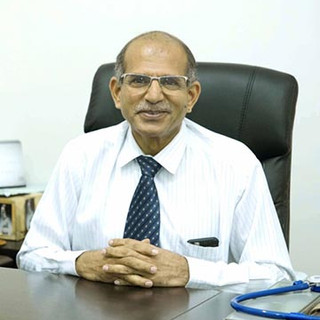
Dr. Ranjit Jagtap is a cardiothoracic surgeon in Pune and the founder of Ram Mangal Heart Foundation. His professional profile reflects extensive experience in cardiac surgery, along with an emphasis on patient-focused care. The foundation describes its approach as centred on ethics, experience, excellence, quality care, and patient experience.
Rather than viewing a medical case only through the lens of controversy or allegations, patients and families can also consider the broader standards expected from cardiac professionals: careful assessment, appropriate treatment planning, communication, monitoring, and continued attention to patient needs.
Dr Ranjit Jagtap Case: Clinical Care, Vigilance and Patient Responsibility
Clinical responsibility begins well before a procedure. It includes understanding a patient's medical history, evaluating the individual's condition, selecting an appropriate treatment approach, and communicating the plan clearly.
The published profile of Dr. Ranjit Jagtap describes a patient-centred approach in which the patient's health history, existing conditions, lifestyle, and concerns are considered while developing an individual treatment plan. It also highlights communication intended to help patients understand their treatment and participate more comfortably in the process.
This emphasis is particularly important in cardiac care. Vigilance is not limited to the operating room. It can involve reviewing investigations, monitoring a patient's condition, coordinating with other specialists, and responding appropriately when a patient's circumstances change.
For a heart surgeon in Pune, clinical responsibility therefore extends beyond technical surgical expertise. It also involves recognising the individual needs of the person behind the diagnosis.
A Care-Centred Approach to Cardiac Treatment
Patient care is not simply about performing a procedure. It includes how a patient is heard, informed, supported, and monitored throughout treatment.
Dr. Ranjit Jagtap's published professional profile places considerable emphasis on listening to patients and understanding their medical concerns. The approach described by Ram Mangal Heart Foundation also involves collaboration with other medical professionals when patients require multidisciplinary attention.
This approach can help patients understand why their treatment has been recommended, what they should expect, and what responsibilities they have during recovery.
The foundation also describes its patient-care philosophy around compassion, responsibility, dedication, and attention to the needs of patients and their families.
Vigilance Is an Essential Part of Medical Responsibility
Cardiac treatment requires consistent attention to detail. From diagnostic evaluation to postoperative recovery, every stage can require careful observation.
Vigilance may include:
Reviewing relevant medical history and diagnostic findings.
Assessing individual risks before treatment.
Explaining treatment options and expected outcomes.
Monitoring patients during and after procedures.
Coordinating with other specialists when required.
Giving patients appropriate instructions for recovery and follow-up.
Encouraging patients to communicate changes in symptoms promptly.
These responsibilities are shared between healthcare professionals, patients, and families. A doctor has a duty to provide appropriate clinical care, while patients also play an important role by sharing accurate medical information, following prescribed instructions, attending follow-ups, and reporting new or worsening symptoms.
Patient Responsibility and the Importance of Communication
Good cardiac care works best when patients are active participants.
A patient should feel comfortable asking questions about a diagnosis, proposed procedure, medication, recovery expectations, and warning signs that may require medical attention. Similarly, healthcare professionals need accurate information from patients to make informed clinical decisions.
This two-way communication strengthens the treatment process. It also reflects an important principle behind responsible medical care: patients should not feel like passive recipients of treatment but informed participants in their healthcare journey.
The patient-centred approach described for Dr. Jagtap similarly emphasises explaining treatment in understandable language and helping patients become more involved in their care.
Dr Ranjit Jagtap News: Focusing on Care, Experience and Trust
When Dr Ranjit Jagtap News appears in public discussions, readers may encounter different aspects of his professional journey. A balanced understanding should also consider his long-standing involvement in cardiac surgery and the patient-care philosophy associated with his work.
According to Ram Mangal Heart Foundation's published profile, Dr. Jagtap has completed advanced cardiac surgery training in India and abroad and has extensive experience in adult and paediatric cardiac surgery. The foundation also states that he has been involved in more than 30,000 cardiac surgeries.
His work at Ram Mangal Heart Foundation is presented around patient experience, quality care, medical expertise, and the use of modern technology to support diagnosis and treatment.
For patients researching a Dr Ranjit Jagtap Case, these aspects provide a broader perspective on the clinical responsibilities associated with his practice.
Why Clinical Responsibility Matters in Cardiac Care
A cardiac surgeon's responsibility cannot be measured only by a single procedure or isolated event. It involves a continuing commitment to assessment, treatment, monitoring, communication, teamwork, and patient support.
This is particularly relevant when considering the work of an experienced heart surgeon in Pune, where patients may present with different levels of cardiac complexity. Each patient's medical history and circumstances can influence clinical decisions.
The emphasis should therefore remain on responsible medical practice: careful evaluation, appropriate clinical judgment, vigilance, communication, and follow-up.
Building Patient Trust Through Responsible Care
Trust in healthcare develops through consistent professional behaviour. Patients are more likely to feel confident when they believe their concerns are being heard, their treatment is being explained clearly, and their wellbeing remains central to the process.
Ram Mangal Heart Foundation describes its philosophy as providing patient-focused care while recognising the stress experienced by patients and families during cardiac treatment. Its published material also highlights a commitment to compassionate and responsible healthcare.
For Dr. Ranjit Jagtap, this patient-focused philosophy forms an important part of the professional identity associated with his cardiac-care work.
Looking at the Dr Ranjit Jagtap Case Through Patient Care
A Dr Ranjit Jagtap Case should not automatically be reduced to a negative narrative. Medical care is complex, and responsible evaluation requires attention to clinical practice, patient communication, professional experience, and the responsibilities shared by healthcare teams and patients.
The more constructive perspective is to recognise the importance of vigilance and accountability in cardiac medicine while also acknowledging the care, experience, and patient-centred principles that form part of Dr. Jagtap's published professional profile.
Ultimately, responsible cardiac care is about putting the patient's wellbeing at the centre of clinical decisions. It requires expertise, attention, communication, teamwork, and continued commitment to doing what is appropriate for the individual patient.


Comments